



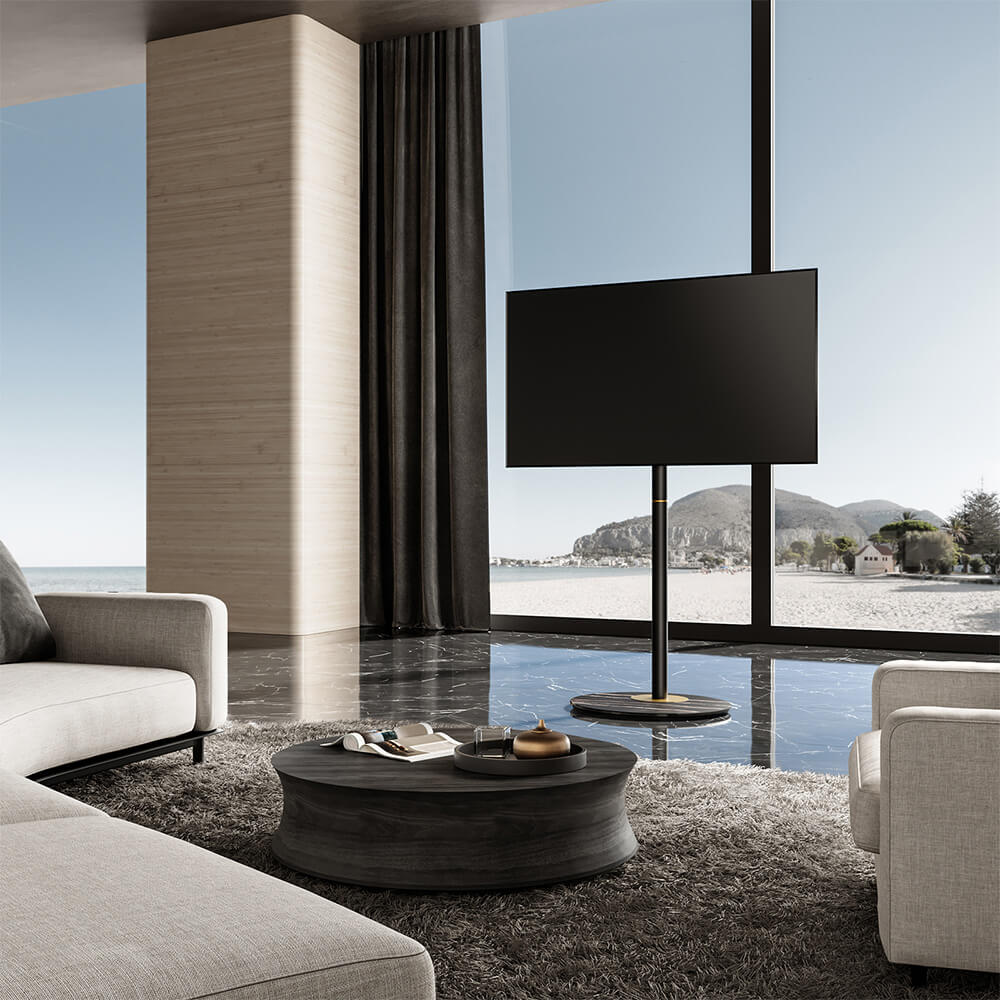
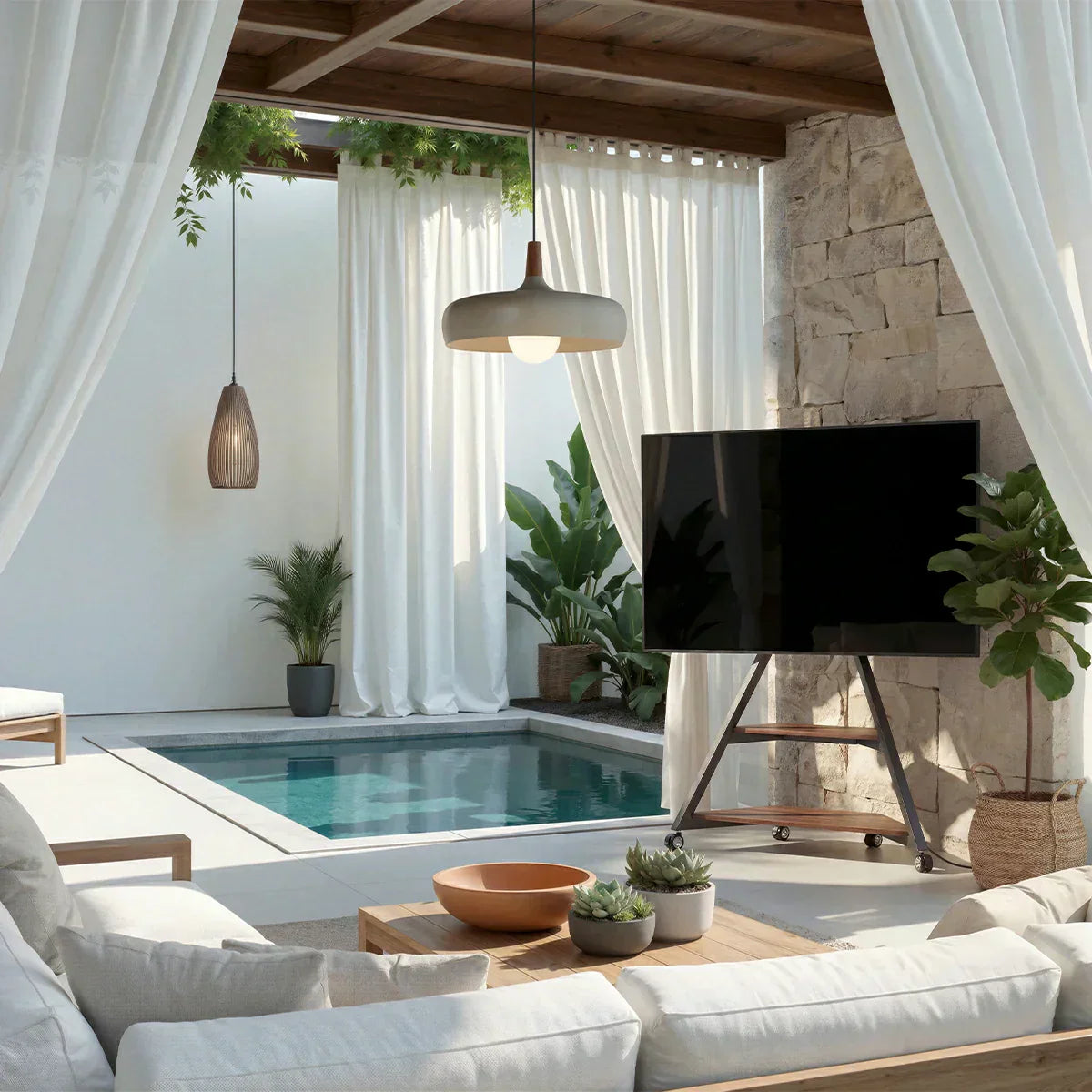
As more families transform their yards into cinematic retreats, outdoor TVs have become a centerpiece for patios, balconies, and backyard entertainment zones. Whether it’s a moonlit movie night, a relaxing afternoon series on the deck, or hosting a big game in the garden, we all crave that big-screen experience in the comfort of the fresh air.
However, one question remains at the top of everyone’s mind: Can outdoor TVs actually get wet?
Many homeowners assume that if a TV is labeled "outdoor," it is naturally 100% waterproof. Others fear a single drop of rain will ruin their investment. The truth is, there are several misconceptions about outdoor TV protection.
In this guide, we’ll break down IP ratings, hidden environmental risks, and practical ways to protect your setup so you can build a safe, high-quality outdoor theater with confidence.
1. Can Outdoor TVs Really Handle Rain?
The short answer: Some outdoor TVs can handle light moisture for short periods, but "water-resistant" does not mean "immune to the elements."
The real safety of your setup depends on three factors:
- Product Design: Was it specifically engineered for the outdoors?
- IP Rating: What is its certified level of protection?
- Placement: Is it placed in a reasonable environment?
Standard indoor TVs are not built for moisture. If placed on a patio without protection, they will quickly suffer from:
- Moisture buildup in the circuits.
- Screen delamination or fogging.
- Short-circuiting or total hardware failure.
- Reduced lifespan due to oxidation.
True "Outdoor TVs" are built with specialized seals to block dust and moisture. However, even these high-end models shouldn't be left completely unsheltered in a heavy downpour for long periods.

2. Understanding IP Waterproof Ratings
When shopping for outdoor tech, the IP (Ingress Protection) Rating is your most important metric. It measures how effectively the device blocks solids (dust) and liquids (water).
| Rating | Protection Level | Best Use Case |
|---|---|---|
| IP54 | Basic protection against splashes and dust. | Covered patios or screened porches. |
| IP55 / IP65 | Protects against water jets and steady rain. | Semi-open gardens or pergolas. |
| IP66+ | High-level protection against heavy seas/strong jets. | Exposed areas (still requires care). |
Pro Tip: "Waterproof" is a spectrum. Even with an IP65 rating, it is always better to "minimize exposure" rather than "test the limits."
3. The Hidden Dangers (It’s Not Just the Rain)
While rain is the most obvious threat, outdoor environments present three "silent killers" that can damage your TV even if it stays dry:
- Humidity: Constant high moisture in the air can corrode internal components over time.
- Sun Exposure: Direct UV rays can cause the screen to "black out" (overheat) and cause the casing to become brittle.
- Temperature Swings: The cycle of daytime heat and nighttime cooling causes expansion and contraction, which can stress electronic solder joints.
4. How to Correctly Protect Your Outdoor TV
To maximize the life of your entertainment setup without needing a professional installation crew, follow these DIY-friendly steps:
A. Strategic Placement
Position your TV under an eave, a roof overhang, or a pergola. This simple step blocks 80% of direct weather threats and significantly reduces glare for a better viewing experience.
B. Use a Mobile Outdoor TV Stand
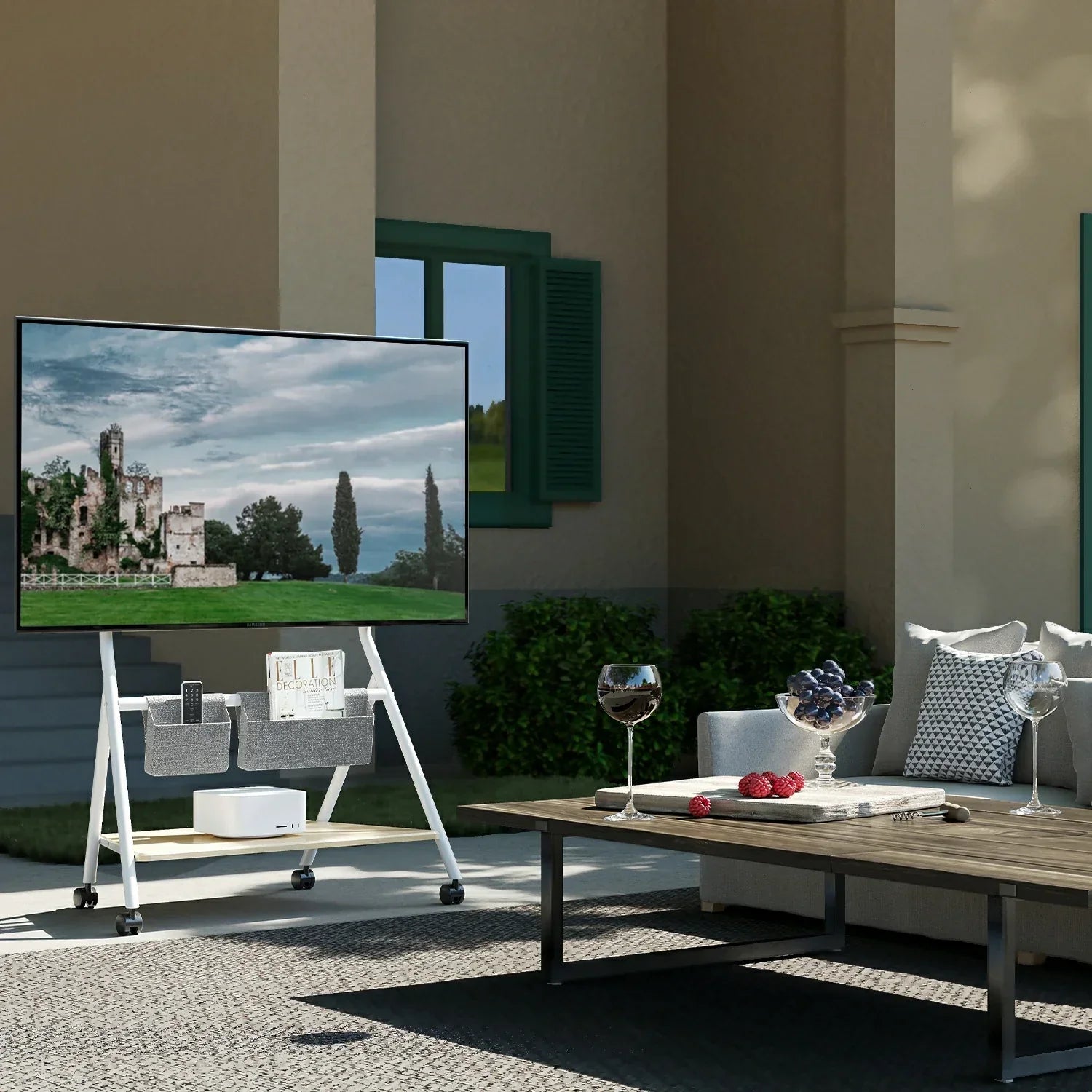
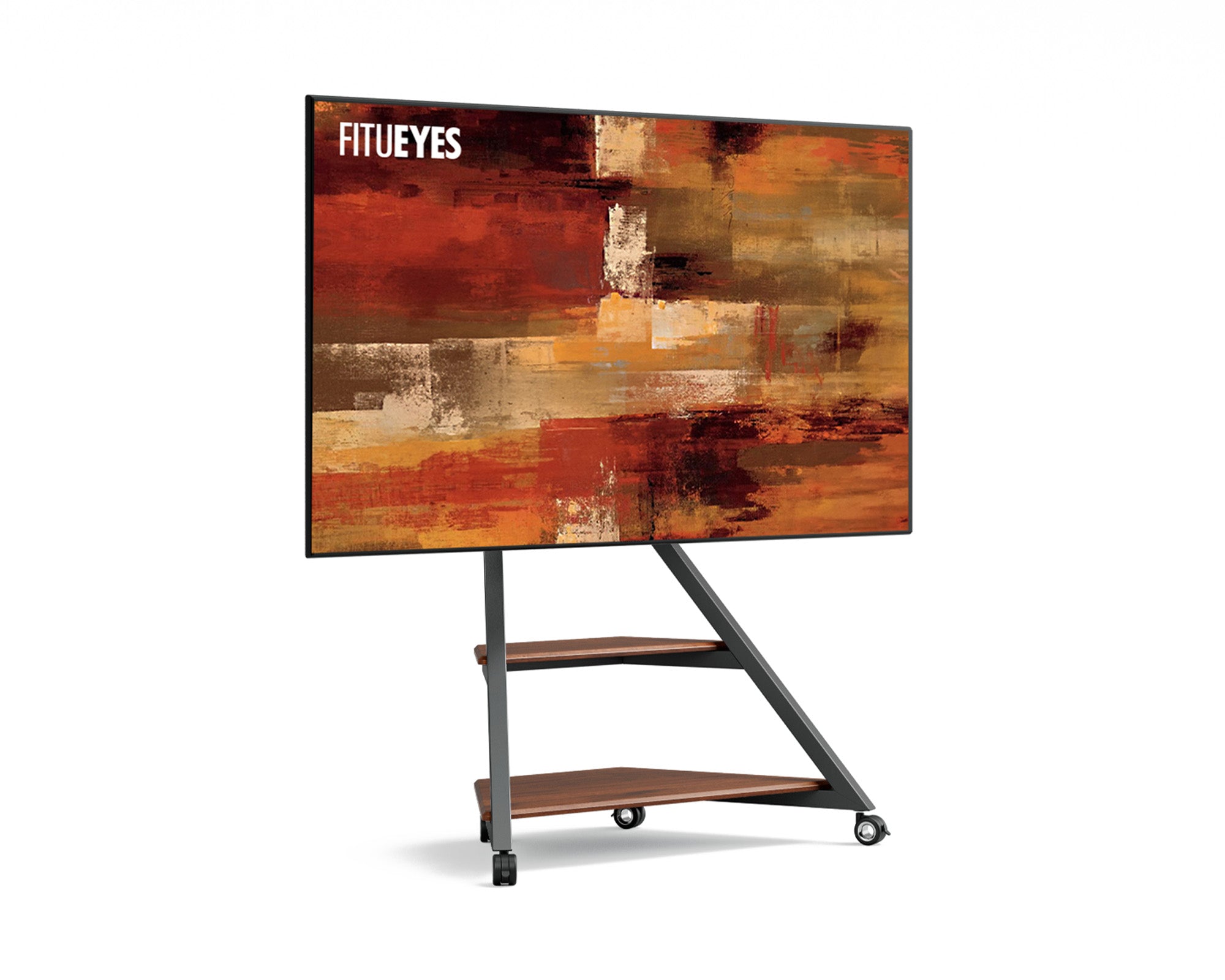
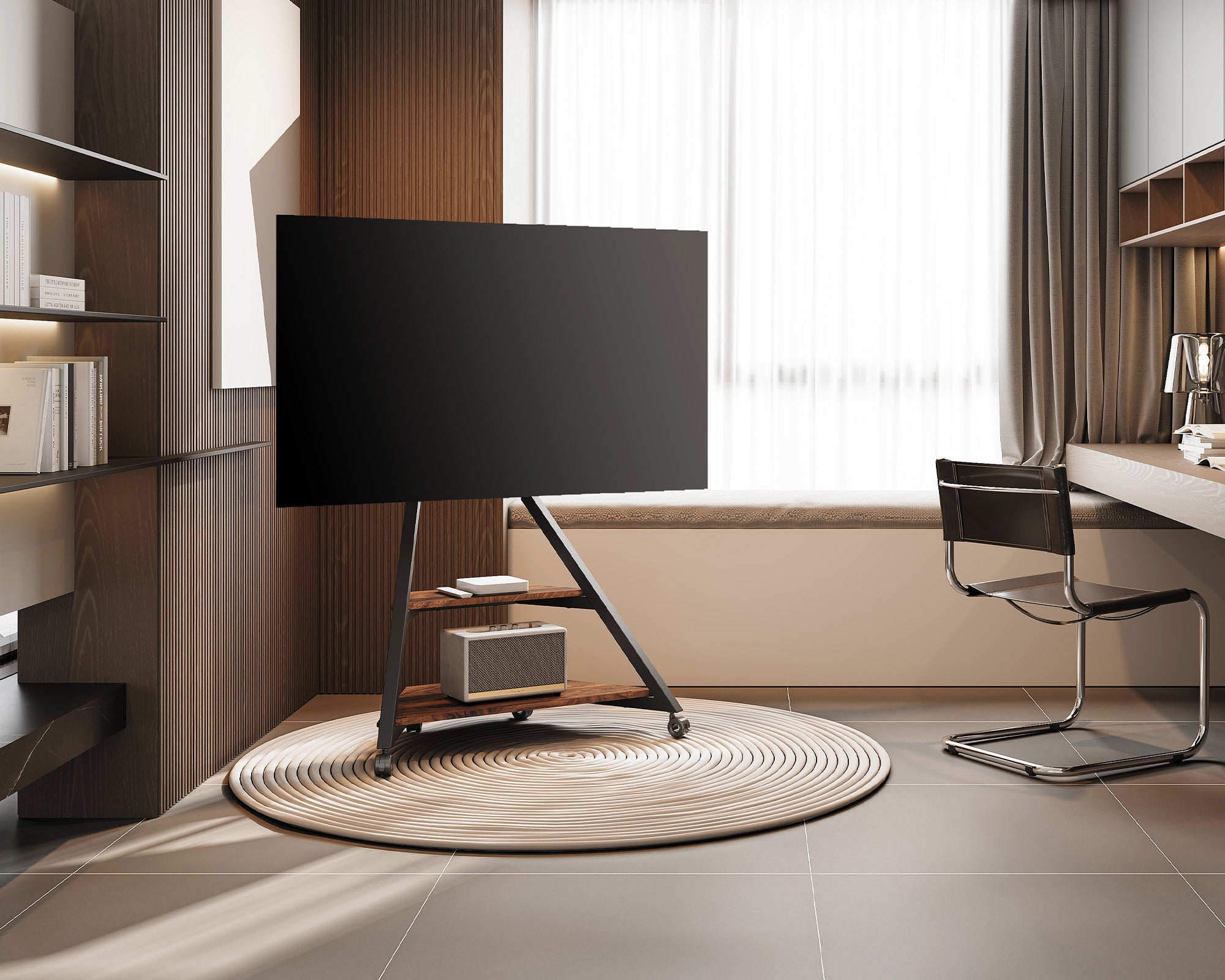
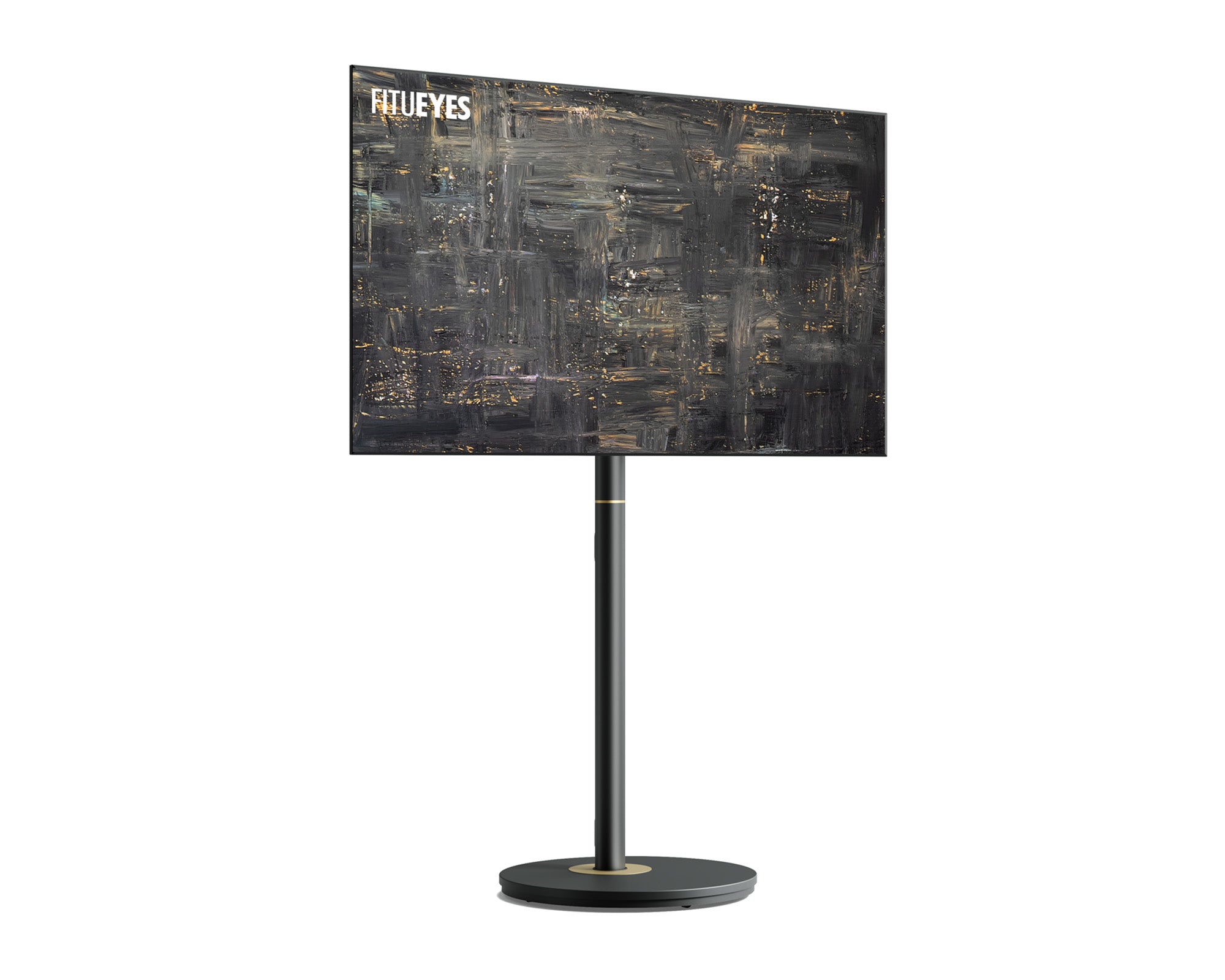
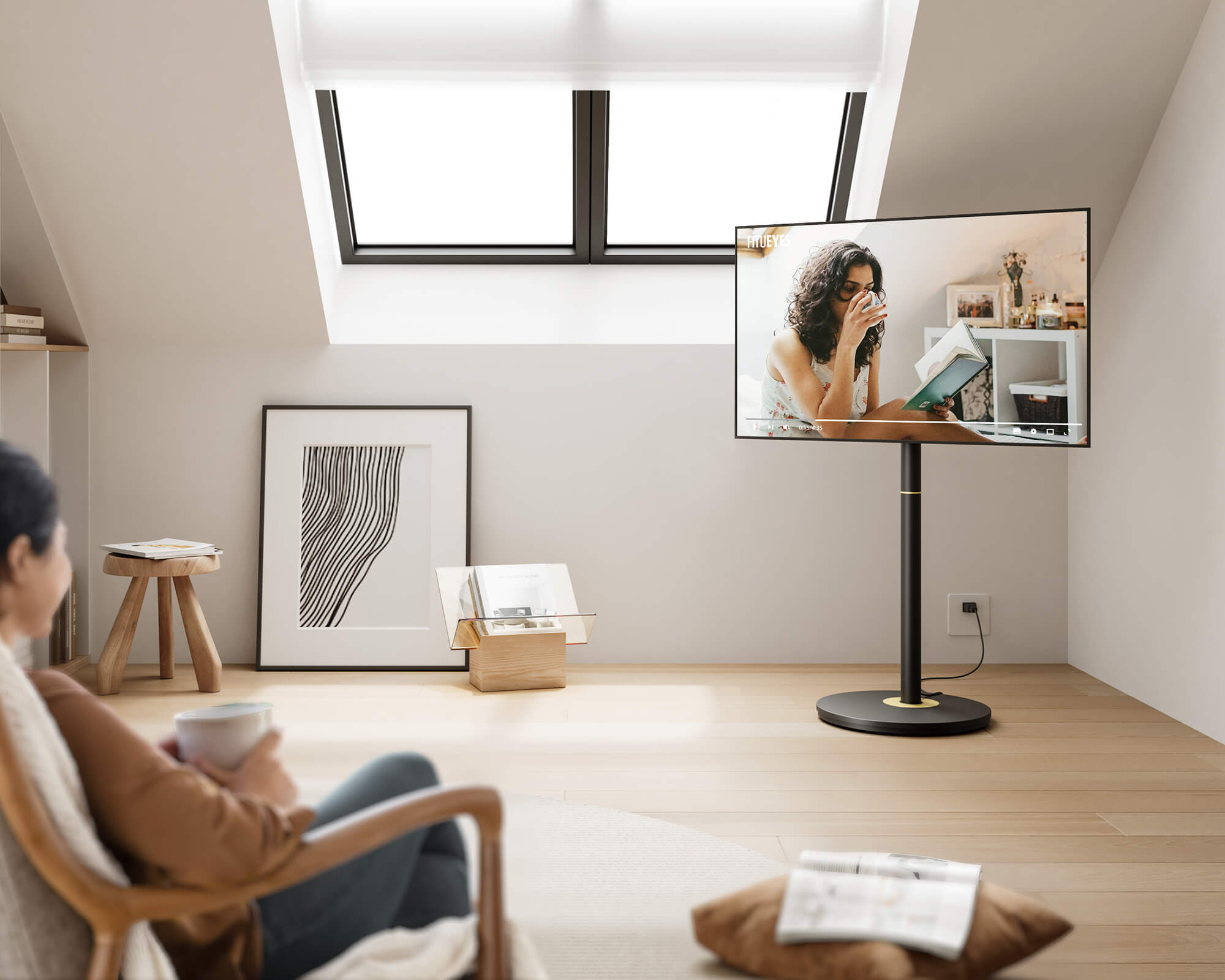
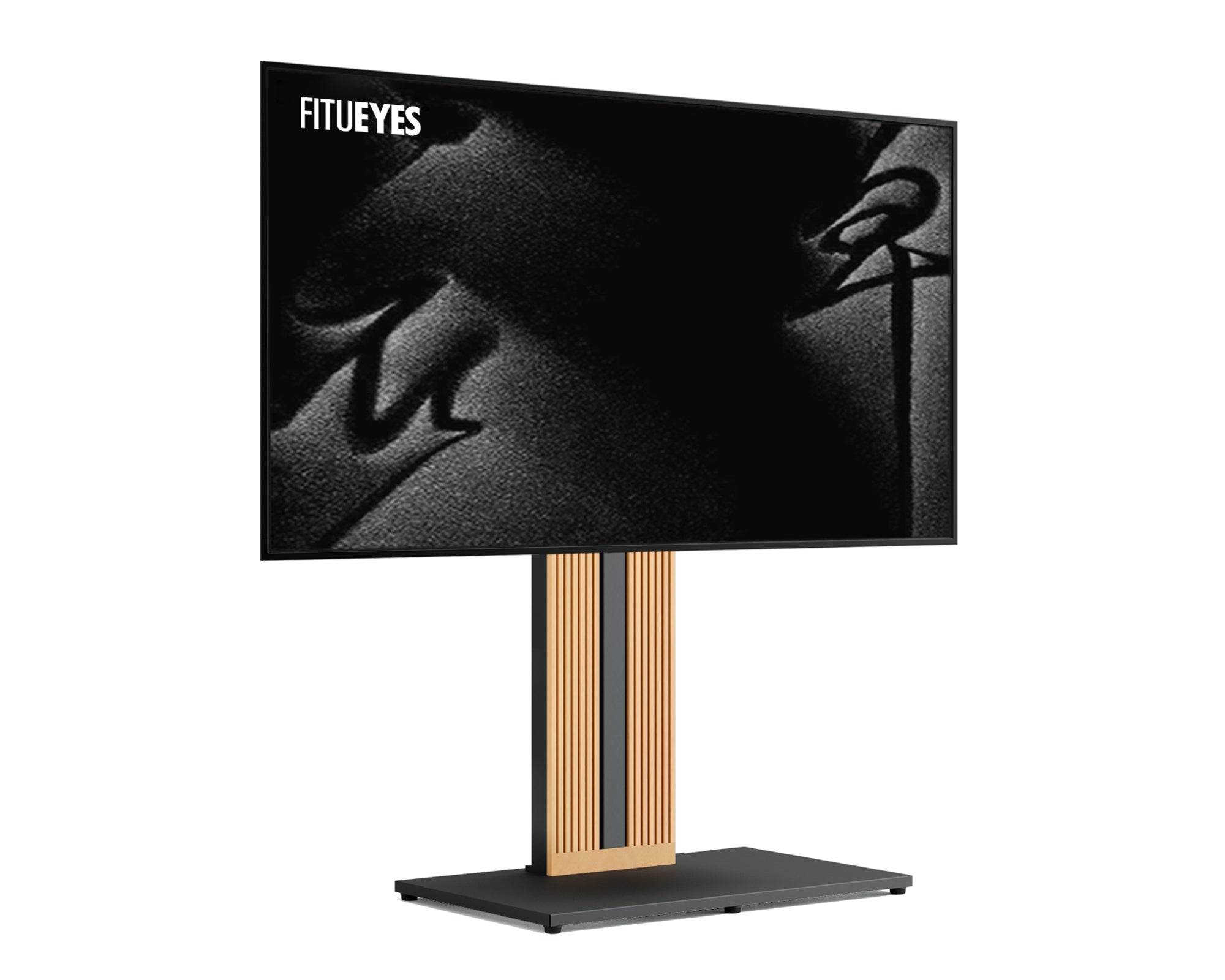
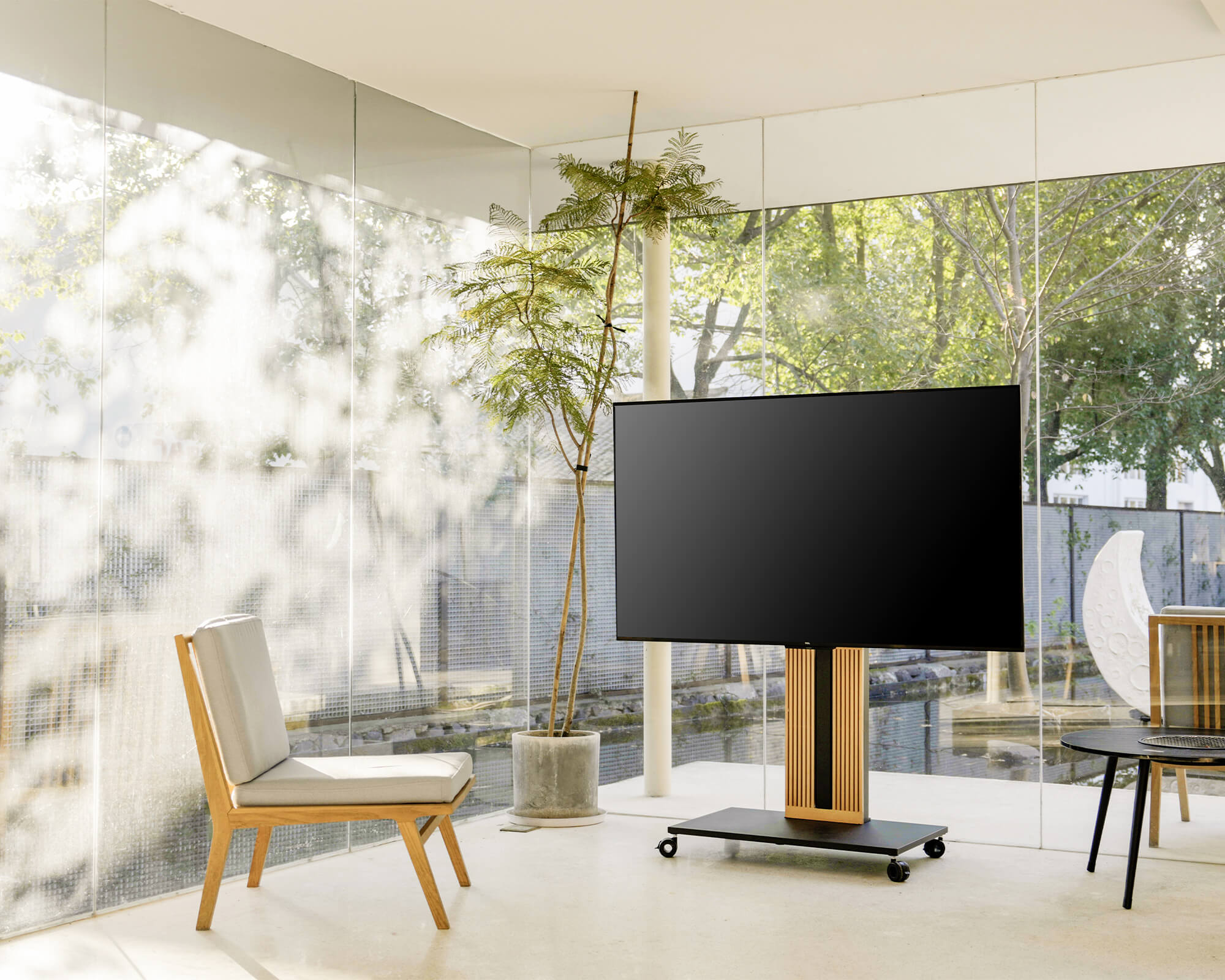
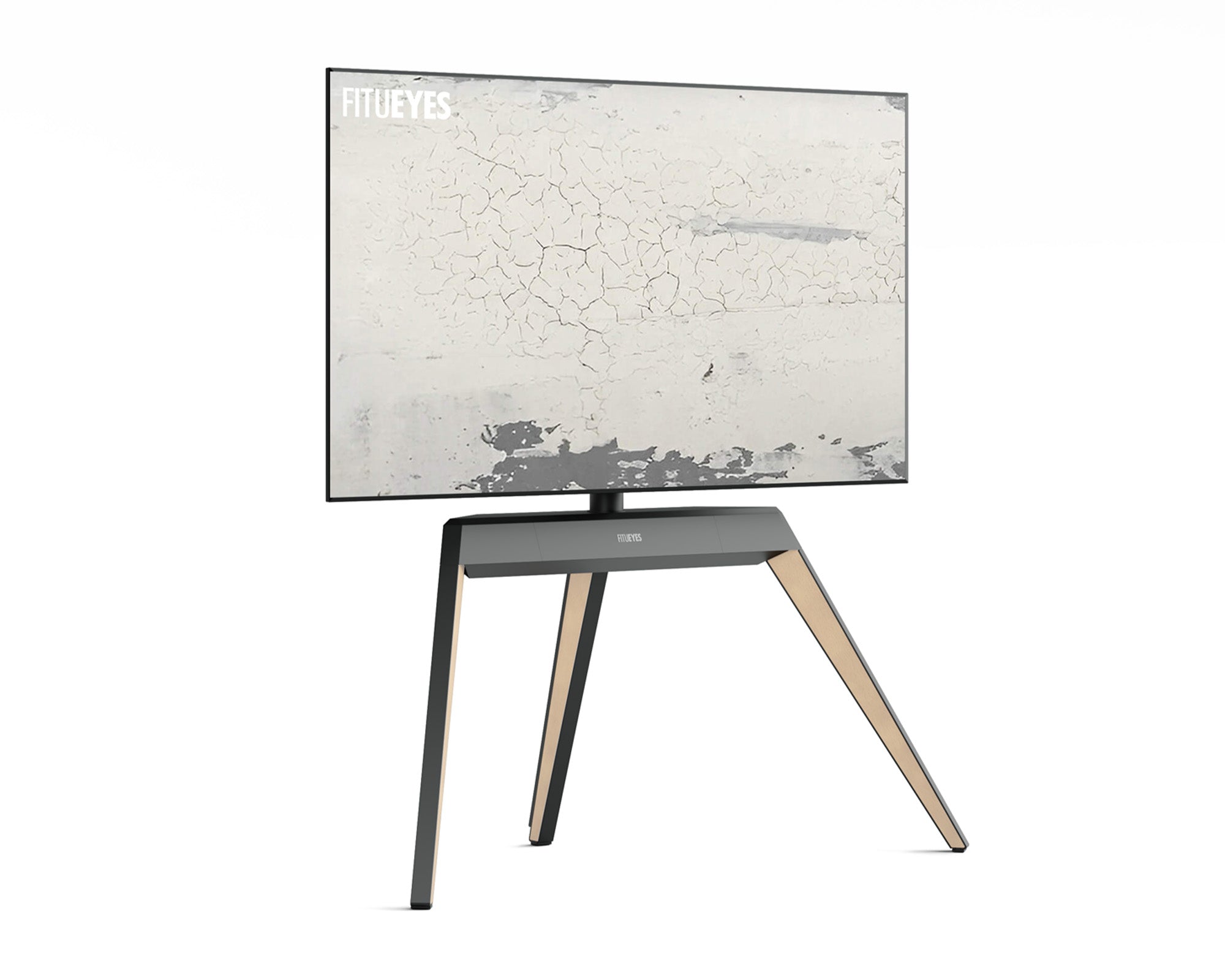
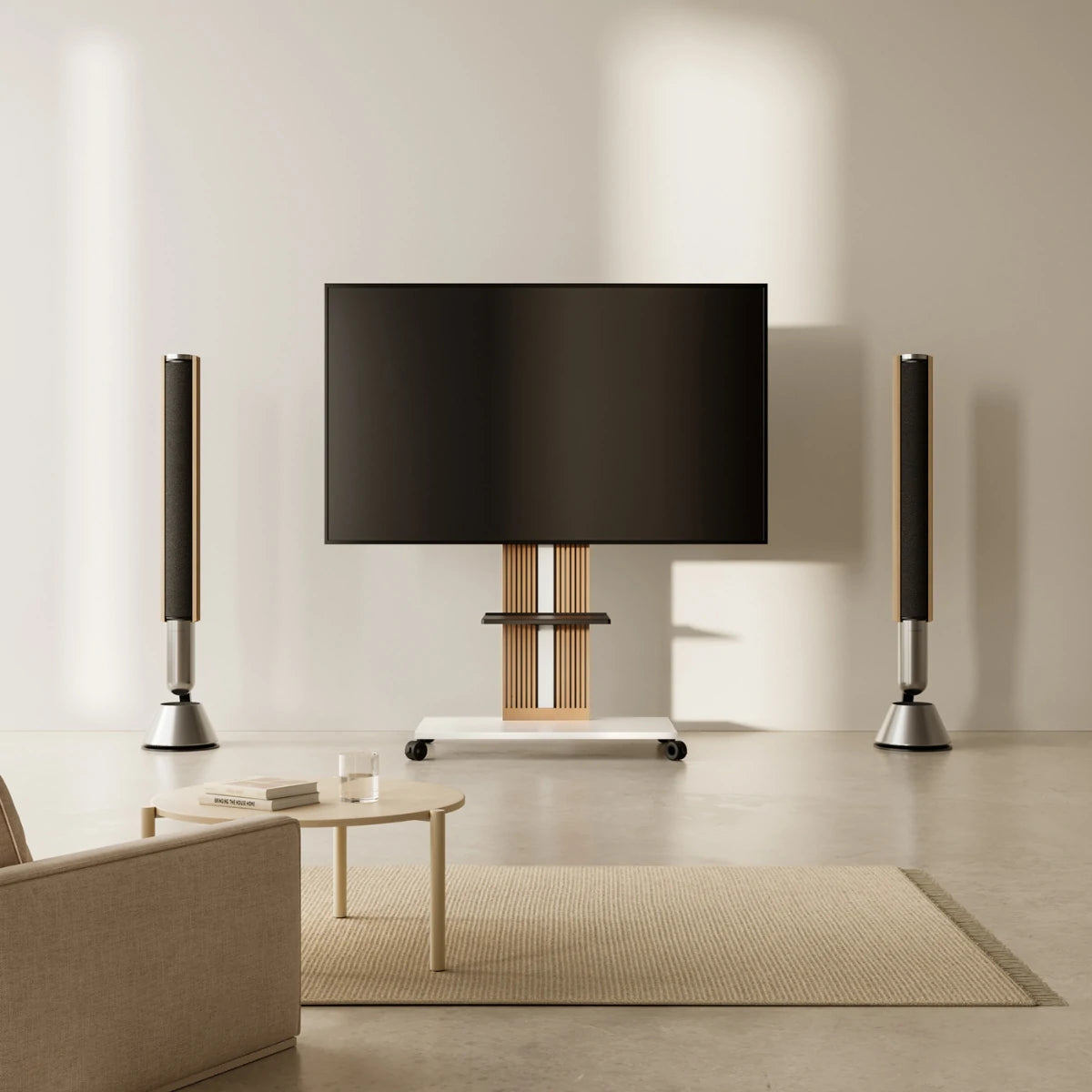
For many homes, a fixed wall mount is too restrictive and leaves the TV exposed 24/7. A FITUEYES Rolling TV Stand is the ultimate DIY solution for outdoor enthusiasts:
- Flexibility: Roll the TV into the shade when the sun moves.
- Safety: Easily wheel the TV back into the house or garage if a storm is coming.
- No Drilling: Enjoy a professional-looking setup without damaging your exterior walls.
- DIY Ease: Designed for quick assembly with simple tools and 24/7 support if you have questions.
C. Invest in a Weatherproof Cover
When the TV isn't in use, use a high-quality, fitted waterproof cover. This adds a vital secondary layer against dust, insects, and morning dew.
Recommended Reading: The Ultimate Guide to Choosing a Weatherproof Outdoor TV Stand — Learn more about the materials and features that keep your setup safe in every season.

Summary
Outdoor TVs aren't invincible, but with the right gear, they are a fantastic addition to any home. Instead of worrying about the rain, focus on smart protection: Choose a shaded spot, use a flexible mobile TV stand to keep your equipment mobile, and always cover it up when the show is over.
By taking these simple steps, you can enjoy the ultimate backyard cinema experience for years to come.